













Gen Z's BNPL Boom: Why 'Buy Now, Pay Later' Is the New Credit Card Nightmare in 2025
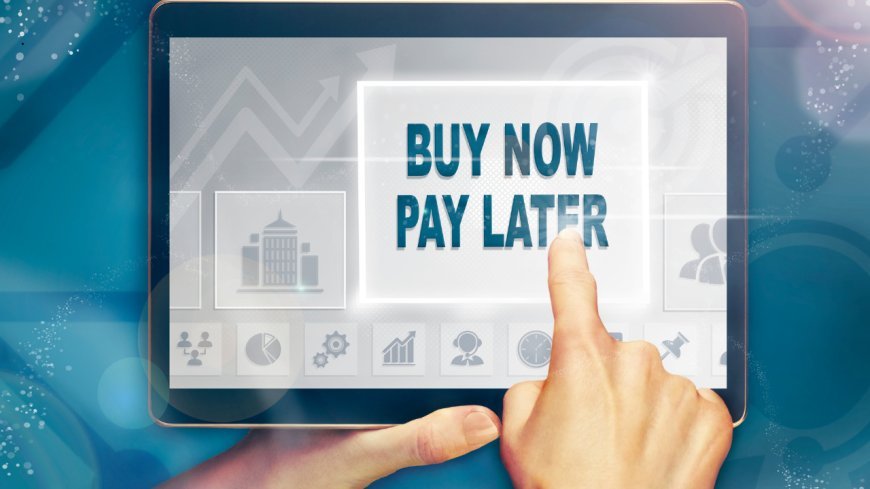
In 2025, Generation Z—those born between 1997 and 2012—has firmly established itself as the vanguard of a seismic shift in consumer finance. With global purchasing power exceeding $400 billion, Gen Z's embrace of Buy Now, Pay Later (BNPL) services like Klarna, Afterpay, and Affirm has turned what was once a niche payment method into a mainstream phenomenon. Projections indicate that over 44% of Gen Z digital buyers aged 14 and older will use BNPL at least once this year, outpacing millennials and signaling a generational pivot away from traditional credit cards. But beneath the allure of interest-free installments lies a growing concern: BNPL is morphing into a modern-day credit card nightmare, fueling overspending, hidden debts, and financial regret among young users.
The Surge: How BNPL Captured Gen Z's Wallet
BNPL's rise among Gen Z is nothing short of explosive. In the U.S. alone, nearly 60% of Gen Z consumers report using BNPL, with 65% planning to increase their usage in 2025—far higher than other generations. Globally, adoption is even more pronounced in regions like APAC, where over 20% of consumers use BNPL weekly, led by markets such as Indonesia at 38%. This boom is driven by Gen Z's digital-native lifestyle: they spend hours on platforms like TikTok and Instagram, where seamless shopping integrations make BNPL a one-click convenience for everything from fashion to tech gadgets.
Statistics paint a vivid picture. By 2025, Gen Z is expected to comprise the largest share of BNPL users, with payment values projected to grow at a compound annual rate of nearly 9% through 2028. During the 2024 holiday season, Gen Z relied on BNPL more than credit cards for the first time, using it for 42% of purchases compared to just 21% among older demographics. Popular categories include electronics (topping the list), clothing, and even experiences like concerts and travel, where Gen Z is 50% more likely than average to opt for BNPL. The median purchase? Around $100 for smaller items, scaling up to $900 for bigger splurges.
This trend aligns with Gen Z's broader financial behaviors. Facing economic pressures like inflation and stagnant wages, they prioritize flexibility. BNPL fits perfectly: no lengthy applications, minimal credit checks, and the ability to "pay in 4" without immediate full commitment. It's not just about affordability—it's about empowerment in a world where traditional banking feels outdated and inaccessible.
Why BNPL Beats Credit Cards (Or So It Seems)
For Gen Z, BNPL isn't just an alternative to credit cards—it's a rebellion against them. Nearly 56% of young consumers prefer BNPL over credit cards, citing ease of use, simple approvals, and zero interest if paid on time. Unlike credit cards, which can trap users in revolving debt with high APRs (averaging 20-25%), BNPL offers fixed installments—often four payments over six weeks—with transparent terms. No compounding interest means no endless cycles of minimum payments that barely dent the principal.
Transparency is key. Gen Z, scarred by watching older generations grapple with credit card debt post-2008 recession, values BNPL's straightforward fee structure: late fees around $7 per missed payment, far less punishing than credit card penalties. Plus, BNPL doesn't require a strong credit history, making it accessible to the 48% of Gen Z with subprime or no scores. Providers like Klarna even integrate financial wellness tools, appealing to a generation that's 19% more likely to seek online financial education.
In surveys, 53% of BNPL users say they trust these services more than credit card companies, especially among Gen Z and millennials. Rewards? Credit cards win there, but Gen Z prioritizes avoiding debt traps over points or cashback. BNPL's app-based, omnichannel approach—usable online, in-store, or via social commerce—mirrors their mobile-first world, where 95% own smartphones and spend 3.4 hours daily streaming videos.
The Nightmare Unfolds: Hidden Risks and Financial Pitfalls
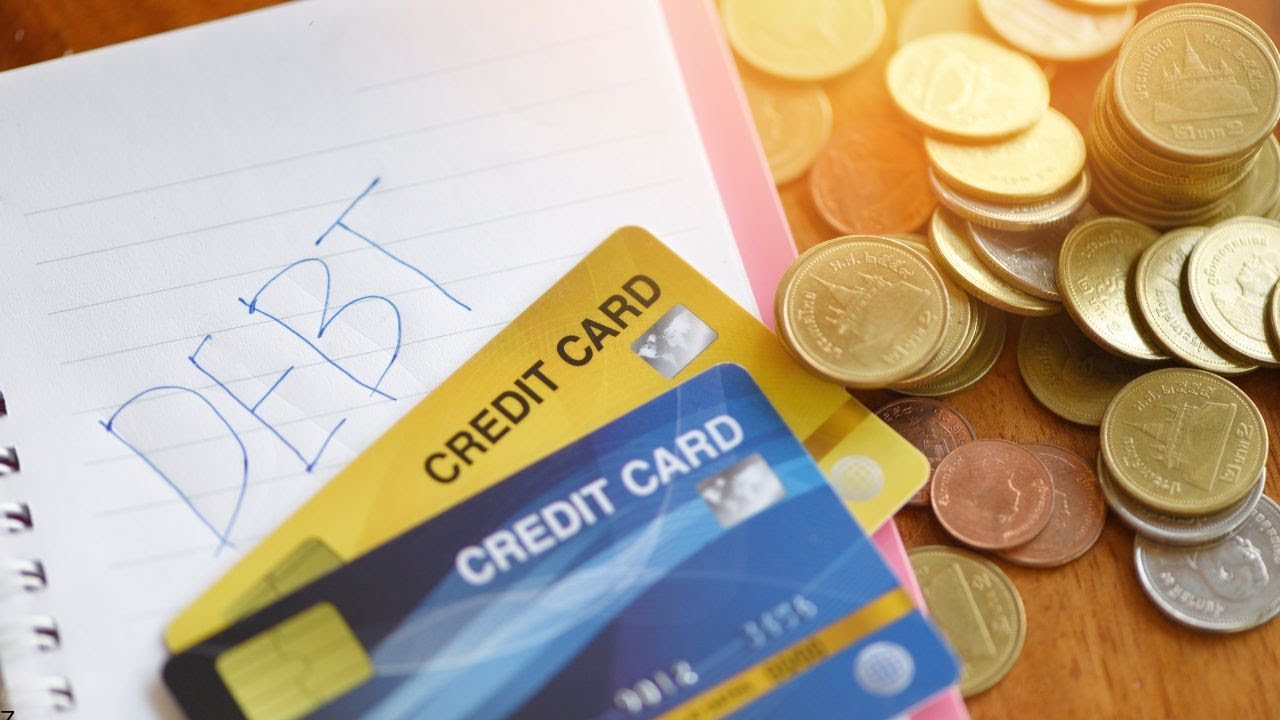
Yet, this convenience comes at a cost, earning BNPL the moniker of "the new credit card nightmare." In 2025, 40% of Gen Z BNPL users report regretting purchases once the full cost hits, with 58% admitting they used it for items they couldn't otherwise afford. Overspending is rampant: 51% of Americans believe BNPL encourages debt, a view held by 57% of Gen Z itself. The ease of multiple loans from different providers leads to juggling payments, with nearly one-third losing track and 24% making late payments—up from 18% in 2023.
Delinquency rates are higher among young users, with 14% facing unexpected fees or missed payments. Unlike credit cards, BNPL lacks robust consumer protections under U.S. law—no mandatory dispute resolution or refunds for returns. Missed payments can ding credit scores, as providers increasingly report to bureaus, trapping users in a cycle experts warn could mimic credit card debt without the benefits. In Australia, average BNPL debt has declined since 2022, but U.S. trends show rising stress, with 47% of users spending over half their income on expenses.
Fashion-conscious Gen Z is particularly vulnerable: they're 44% more likely to impulse-buy luxury items via BNPL, exacerbating budget strains amid economic uncertainty. As one expert notes, "If you find yourself in that trap, it can be so hard to get out of."
Looking Ahead: Regulations and the Road to Responsibility
As BNPL's market share climbs—expected to hit $125 billion in payment values by 2027—regulators are stepping in. In 2025, the CFPB's wind-down has eased some rules, but calls for transparency grow, with providers like Klarna eyeing IPOs and adding repayment guarantees. Gen Z's demand for ethical finance could push BNPL toward more responsible lending, blending with credit card features like hybrid debit-BNPL cards.
Ultimately, BNPL empowers Gen Z but risks becoming a gateway to financial woes if unchecked. As this generation navigates 2025's economic landscape, balancing convenience with caution will determine if BNPL is a boon or a bust.
What's Your Reaction?
 Like
0
Like
0
 Dislike
0
Dislike
0
 Love
0
Love
0
 Funny
0
Funny
0
 Angry
0
Angry
0
 Sad
0
Sad
0
 Wow
0
Wow
0