






























Back-to-School Budget Bust: Families Face $600+ Hits in 2025—Smart Savings Hacks Inside
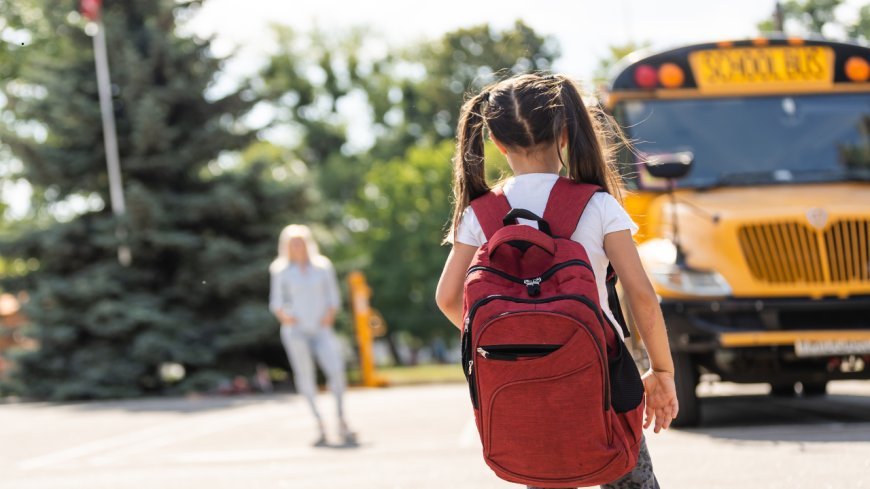
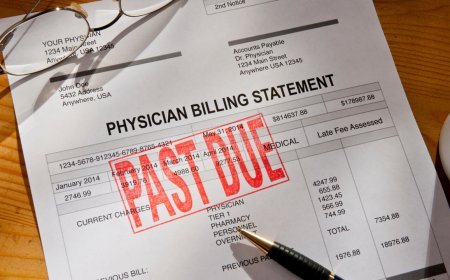
As the 2025 back-to-school season kicks into high gear, families across the U.S. are grappling with a financial hit that’s harder to dodge than ever. With inflation lingering and new tariffs driving up prices, parents are bracing for an average spend of $628 per child, totaling $1,230 per household, according to a 2025 survey by Savings.com. High schoolers are the priciest, with costs averaging $800 per student, while even K-3 families face a 26% year-over-year increase, hitting $620 per child. But there’s hope: with strategic planning and creative hacks, families can curb these costs without compromising quality. Here’s how to navigate the 2025 back-to-school budget bust.
The Rising Cost of Back-to-School Shopping
The numbers tell a grim story. The National Retail Federation estimates total back-to-school spending will reach $39 billion in 2025, up from $38.8 billion in 2024. Clothing tops the expense list at $157 per child, followed by electronics ($100) and core school supplies ($90). Smaller costs like classroom supplies ($33) and haircuts ($30) add up fast. Tariffs, now at 18% on school-related items (up from 5% in 2024), are a key culprit, with retailers like Target and Nike passing on price hikes. A Bureau of Labor Statistics report notes a 9.4% increase in educational books and supplies from May 2024 to May 2025, squeezing budgets further.
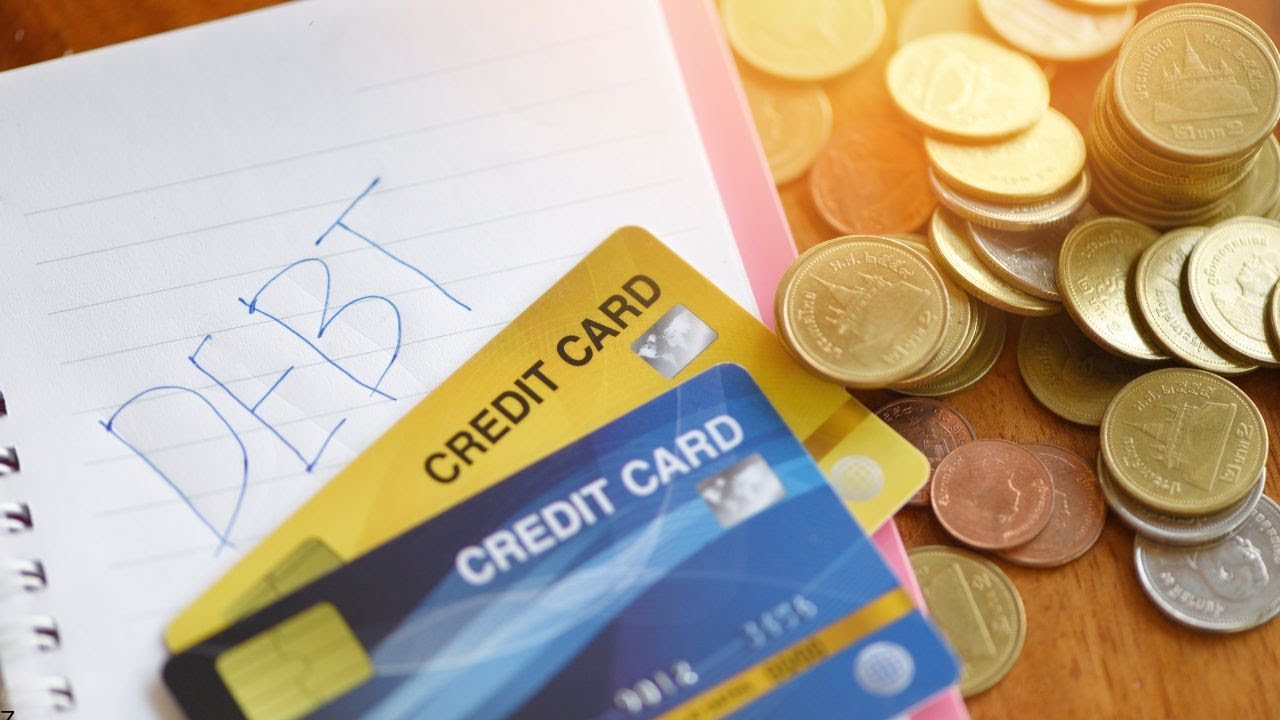
Economic pressures are forcing tough choices. Over 72% of parents are cutting back on non-essentials like dining out, while 44% are considering debt to cover costs, per a Credit Karma survey. Buy Now, Pay Later (BNPL) services have become a lifeline, with 71% of parents saying they couldn’t complete shopping without it. Yet, 17% of those users risk skipping key items without BNPL, highlighting its growing necessity.
Smart Savings Hacks to Beat the Budget Bust
1. Shop Strategically with Tax Holidays
Seventeen states offer sales tax holidays in 2025, waiving 4-8% on items like clothing, electronics, and supplies. South Carolina’s three-day holiday stands out for its no-cap policy, ideal for large families. Check your state’s schedule and eligible items to maximize savings. Timing is key: 84% of parents plan to shop during these windows, often in July or August, to dodge full sales tax.
2. Buy Secondhand and Refurbished
Secondhand shopping is now mainstream, with platforms like Poshmark and local Facebook Marketplace groups offering gently used backpacks, clothing, and electronics at steep discounts. Target reports stable prices on some supplies due to bulk pre-tariff purchases, but refurbished tech—like Chromebooks or tablets—can save 20-50% compared to new models. Organize or join local supply swaps to trade items like notebooks or uniforms, cutting costs and waste.
3. Reuse and Repurpose
Before hitting stores, take inventory of last year’s supplies. Reusable items like backpacks, binders, or even half-used notebooks can stretch your budget. Get creative: turn old t-shirts into tote bags or decorate existing lunch boxes with your kids for a fresh look without the price tag. Repurposing old crayons or markers can also reduce waste and expenses.
4. Leverage Digital Tools
Digital textbooks and free apps like Khan Academy or Coursera can slash costs on physical books, which have risen 9.4% in price. Compare prices using apps like Honey or Rakuten, and stack cashback offers from loyalty programs or apps like TopCashback. Early shopping during events like Amazon Prime Day in July can lock in discounts before peak season price spikes.
5. Budget with Kids
Involve children in budgeting to curb impulse buys, like trendy sneakers or pricy outfits. Financial expert Julia Perez notes that families who include kids in planning see less stress, as kids learn to prioritize needs over wants. Set a firm budget—try the 50/30/20 rule (50% needs, 30% wants, 20% savings)—and use apps like EveryDollar to track spending. Teaching kids about delayed gratification now builds lifelong financial habits.
6. Pack Lunches and Plan Meals
School lunches average $3 per meal, adding up to $540 per child annually. Packing lunches using bulk-bought staples or seasonal produce can cut this in half. Batch-cook meals like pasta bakes or soups to freeze for quick prep, and use herbs for flavor instead of costly sauces. Check if your district, like Tulsa Public Schools, offers free lunches to ease the burden.
7. Explore School and Community Resources
Many schools run supply drives or discount programs for bulk purchases. Joining local resource-sharing networks can uncover deals or free items. Some communities offer free events, like library storytimes or park activities, to keep kids engaged without costly extracurriculars. Check with your school for programs supporting low-income families.
The Bigger Picture: Balancing Needs and Wants
The 2025 back-to-school season reflects broader economic strains, with 70% of parents worried about tariffs and inflation impacting affordability. BNPL’s rise shows families are stretched thin, but its risks—like late fees or debt accumulation—require caution. By starting early, shopping smart, and involving the whole family, parents can mitigate the $600+ hit per child. These hacks not only save money but also foster community, sustainability, and financial literacy for the next generation.
What's Your Reaction?
 Like
0
Like
0
 Dislike
0
Dislike
0
 Love
0
Love
0
 Funny
0
Funny
0
 Angry
0
Angry
0
 Sad
0
Sad
0
 Wow
0
Wow
0