






















The Great American Debt Squeeze: How Rising APRs Are Rewriting the Middle-Class Financial Story
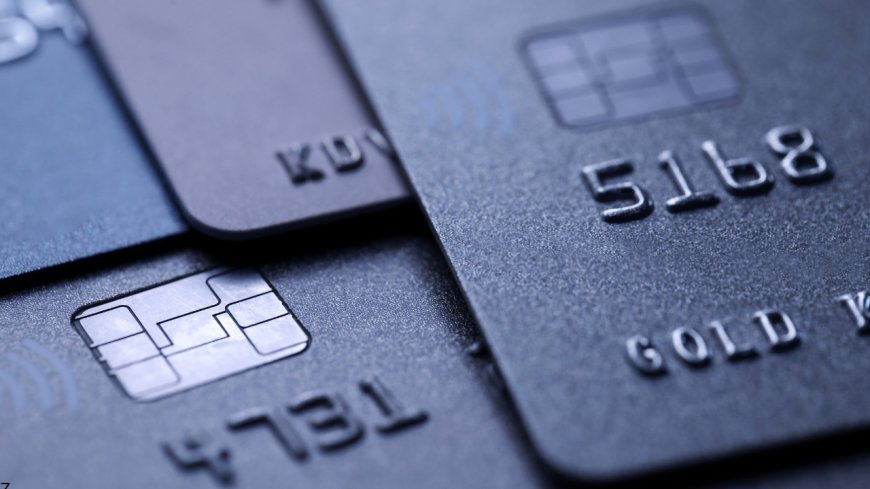
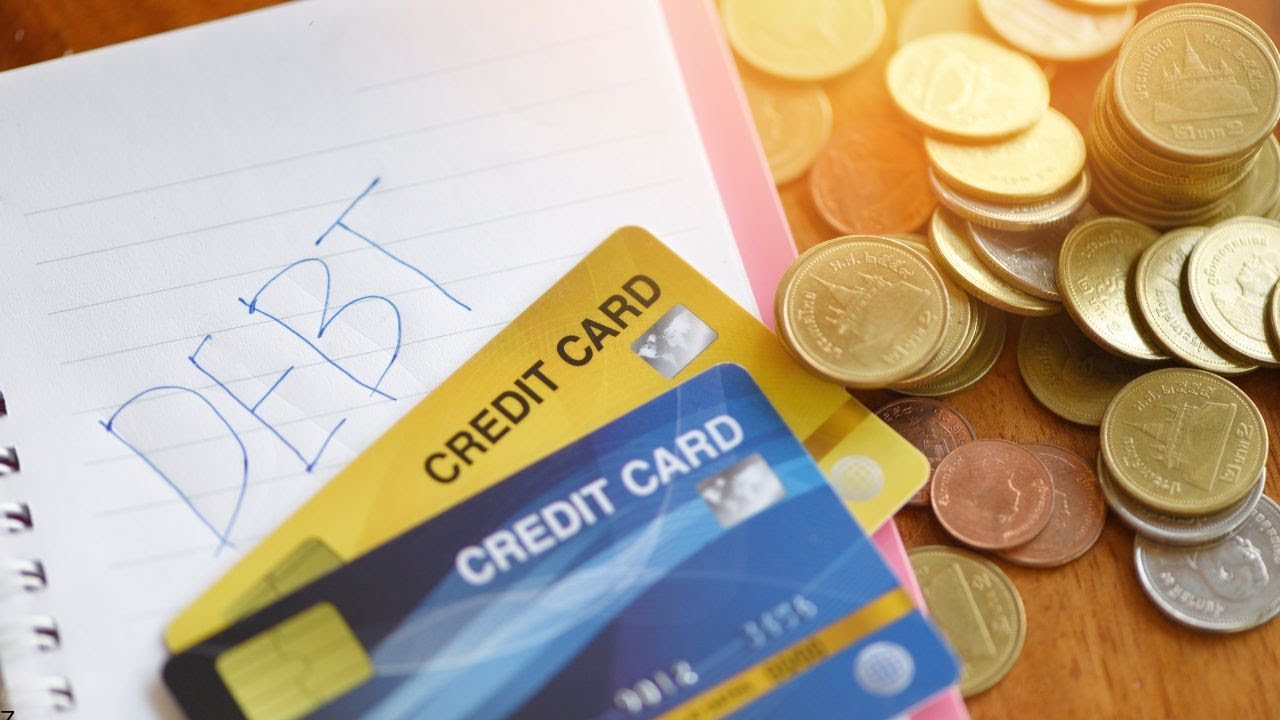
The credit card is a fundamental tool of the modern American middle-class life. It’s the payment method for groceries, the security for online purchases, the bridge loan between paychecks, and the engine for rewards points that promise a glimpse of luxury—a flight, a cashback reward, a hotel stay. For decades, this little piece of plastic has symbolized flexibility and, when used correctly, financial empowerment.
Today, however, that convenience comes at a soaring, and increasingly punitive, cost. A perfect storm of sustained inflation, persistent high Federal Reserve interest rates, and an undeniable reliance on revolving credit has pushed the average credit card Annual Percentage Rate (APR) to historic, painful highs. For the 80% to 90% of working-age Americans who rely on credit cards, this financial reality is more than just an abstract economic statistic; it is a direct headwind that is quietly eroding middle-class spending power, complicating household budgets, and creating a formidable barrier to building sustainable wealth.
In an economy where the cost of living—from housing to healthcare—continues to outpace wage growth, the middle class often turns to credit not for extravagance, but for necessity. The consequences of carrying a balance in this new high-rate environment are profound: every essential purchase financed with debt becomes exponentially more expensive, draining thousands of dollars from the household budget that could have been directed toward savings, investments, or education.
In This Article: An In-Depth Look at the Credit Card Crisis
-
The Shock of the New Normal: Historical Context of APRs
-
How today's rates compare to pre-pandemic and historical averages.
-
-
Deconstructing the Modern APR: The Fed and the Prime Rate
-
Understanding the mechanics that set your variable interest rate.
-
-
The Silent Erosion: Credit Card Debt and the Middle Class
-
Statistical realities of who holds the debt and why it’s so difficult to pay down.
-
-
The Impact on Real-World Spending and Savings
-
The tangible cost of interest on purchasing power and long-term financial goals.
-
-
A Strategy for Survival: The Middle-Class Debt Playbook
-
Actionable, proven methods for managing and eliminating high-interest balances.
-
The Shock of the New Normal: Historical Context of APRs
To understand the gravity of the current situation, we must first establish the baseline. Historically, average credit card APRs were not always the over-20% figures we see today. Prior to the 2020 pandemic, the average interest rate for accounts assessed interest hovered around 17%. A decade ago, that figure was closer to 13%.
The data from the Federal Reserve paints a clear and alarming picture: the average APR for credit card accounts assessed interest has now surged to well over 22%—a rate that represents a historic high since the Fed began tracking this data in 1994.
The Real Cost of "Greedflation"
While the Federal Reserve's rate hikes are the primary driver of this increase—a tool used to cool inflation—critics, including the Consumer Financial Protection Bureau (CFPB), point to another factor: a widening gap, or margin, between the Prime Rate (the commercial lending benchmark) and the interest rates charged to consumers. This margin has also reached record levels, suggesting that card issuers are not only passing on the cost of borrowing but are also significantly increasing their profit share, potentially costing consumers billions in excess interest.
The inescapable truth is that a 10-percentage-point increase in the average APR over the last decade has created a financial environment that is fundamentally hostile to those who carry a revolving balance.
Deconstructing the Modern APR: The Fed and the Prime Rate
The rate you pay on your credit card is not an arbitrary number; it is a direct calculation rooted in central bank policy and your personal credit profile.
The Variable Rate Mechanism
Nearly all modern credit cards carry a variable APR, which is calculated using a two-part formula:
-
The Index Rate (Prime Rate): The Prime Rate is the interest rate commercial banks charge their most creditworthy customers. It is directly tied to the Federal Reserve’s target Federal Funds Rate. When the Fed raises or lowers the Federal Funds Rate, the Prime Rate almost immediately moves in lockstep (typically 3% above the Fed Funds Rate). When the Fed raised rates repeatedly to fight inflation, the Prime Rate surged from near-zero to its current high level, and every credit card with a variable APR was contractually obligated to follow suit.
-
The Margin: This is the fixed component set by the card issuer. It is based on your creditworthiness. A consumer with an excellent credit score (typically 740+) might be charged a margin of 6%, while a consumer in the "Near Prime" or "Subprime" tier (scores below 660) could be charged a margin of 15% or higher, leading to overall APRs that can easily exceed 28%.
For the middle-class consumer whose credit score may be solid but not "Super Prime," and whose budget is already strained, the combination of a high Prime Rate and a substantial margin creates a revolving debt trap that can feel impossible to escape.
The Silent Erosion: Credit Card Debt and the Middle Class
The middle class is often defined not just by income, but by its stage in the life cycle: raising families, paying off mortgages, and funding college. This is the demographic that is most vulnerable to the current debt environment.
Who is Carrying the Balance?
Statistics reveal a clear pattern of debt by age and financial stage:
-
Age 30 to 59: This broad age group, which encompasses the core of the middle class, has the highest incidence of carrying a credit card balance—with over half of cardholders in this range regularly revolving debt.
-
The Total Debt Burden: Total U.S. credit card debt has soared past the $1.1 trillion mark, an unprecedented figure. While this debt is spread across all income levels, the middle-income family often carries the burden as a necessity to cover gaps between income and essential expenses like childcare, housing, or unforeseen medical bills.
-
Utilization Ratio: For those with Prime or Near-Prime credit scores (the heart of the middle class), high credit card debt often leads to a high credit utilization ratio (debt-to-limit ratio), typically defined as anything over 30%. A high utilization ratio is the single biggest factor that drags down an otherwise good credit score, further locking them into higher interest rates on all future borrowing—a devastating financial cycle.
The Invisible Tax on Necessities
The high-interest debt essentially acts as an invisible tax on necessities. If a family uses a credit card to cover a $500 car repair, an APR of 24% means that, while paying the minimum, they are paying $120 or more in interest per year on that single transaction. Over time, these small balances accumulate into a colossal financial drain, redirecting money that should be contributing to household stability toward the balance sheets of financial institutions.
The Impact on Real-World Spending and Savings
The ultimate cost of high credit card debt is measured not in dollars paid to the bank, but in lost opportunity. This "opportunity cost" is what truly stymies the middle-class dream of financial independence.
The Savings Account Illusion
One of the paradoxes of a high-rate environment is that while credit card APRs soar, savings account interest rates also rise. However, the gains on the savings side are almost universally dwarfed by the cost of debt.
-
The Math is Brutal: If you have $5,000 in credit card debt at 23% APR, you are paying over $1,150 in interest per year. To cover this cost, you would need to earn a 23% return on a risk-free investment, which is simply not possible. Your $1,000 emergency fund in a high-yield savings account (HYSA) earning 4.5% only yields $45.
-
Lost Purchasing Power: For every dollar a consumer must allocate to servicing interest, that is one dollar that cannot be spent on current consumption or future wealth building. This directly translates to reduced purchasing power in an inflationary environment, forcing families to make difficult trade-offs: deferring essential home maintenance, delaying a major car purchase, or cutting back on retirement contributions.
The high-interest environment creates a powerful disincentive for risk-taking and wealth-building, encouraging a financially defensive posture where simply treading water feels like a victory.
A Strategy for Survival: The Middle-Class Debt Playbook
For the middle class feeling the squeeze, regaining control of credit card debt requires a disciplined, multi-pronged strategy focused on minimizing interest and maximizing principal payments.
Step 1: Stop the Bleeding and Budget to Principal
The first, most critical step is to stop incurring new high-interest debt. This requires a stringent review of monthly spending, identifying all non-essential expenditures that can be cut, and ensuring that all credit card spending is only for purchases that can be paid off in full by the statement due date.
Crucially, always pay more than the minimum payment. On a high-APR card, the minimum payment is designed to maximize interest revenue for the bank. Every dollar paid above the minimum goes directly toward reducing the principal balance, which immediately reduces the base upon which future interest is calculated.
Step 2: Strategic Debt Repayment: Avalanche vs. Snowball
When tackling multiple credit card balances, two proven strategies exist:
-
The Debt Avalanche ⛰️ (Maximum Financial Efficiency): List all debts from the highest APR to the lowest. Focus all extra money on paying off the highest-rate card first, while maintaining minimum payments on all others. This method saves the most money in interest over the long run.
-
The Debt Snowball ❄️ (Maximum Psychological Momentum): List all debts from the smallest balance to the largest. Focus all extra money on paying off the smallest balance first. Once paid off, take the money you were paying on that account and "roll" it into the payment for the next smallest debt. This offers small, quick wins to maintain motivation, which can be invaluable for long-term commitment.
Step 3: Interest Rate Mitigation and Consolidation
For consumers with solid credit scores (mid-600s and above), the most powerful tool is reducing the effective interest rate.
-
Balance Transfer Cards: Look for cards offering a 0% introductory APR on balance transfers for 12 to 21 months. While these often come with a 3% to 5% transfer fee, eliminating 20% interest for over a year is a net financial win—provided the balance is paid off entirely before the promotional period ends. This is a crucial, high-stakes move that offers a clear deadline for debt elimination.
-
Personal Debt Consolidation Loans: Consolidating multiple high-interest card balances into a single, fixed-rate personal loan is an excellent option. A strong applicant can secure a personal loan with a single-digit APR, cutting the effective interest rate in half or more, making the debt much more manageable with a fixed repayment schedule.
Step 4: Negotiate and Leverage Your Loyalty
Never assume your interest rate is non-negotiable. If you have a history of on-time payments, call your credit card issuer's retention or customer loyalty department and politely ask for a lower APR. Mention that you are considering transferring your balance to a competitor's lower-rate offer. Studies show that a significant percentage of cardholders who ask for a lower rate are granted one, often dropping their APR by several percentage points.
Conclusion: Turning the Tide on High-Interest Debt
The current era of historically high credit card interest rates represents a significant headwind to the financial well-being of the American middle class. It is a time when complacency is a costly error. The credit card, while a crucial convenience, has transformed from a flexible payment tool into a potent debt engine that requires conscious, continuous management.
Understanding the direct link between the Federal Reserve, the Prime Rate, and your personal APR is the first step toward financial control. The second is to adopt a rigorous, interest-minimizing strategy—whether through the debt avalanche, a balance transfer, or a consolidation loan. By embracing disciplined budgeting and strategic debt repayment, the middle class can turn the tide, reclaim their lost purchasing power, and secure the financial stability that has become increasingly elusive in the modern economy. The cost of borrowing is high, but the cost of inaction is far higher.
What's Your Reaction?
 Like
0
Like
0
 Dislike
0
Dislike
0
 Love
0
Love
0
 Funny
0
Funny
0
 Angry
0
Angry
0
 Sad
0
Sad
0
 Wow
0
Wow
0