




























Neighborhoods Losing Their Middle Class: The Quiet Erosion of America's Heartland Communities
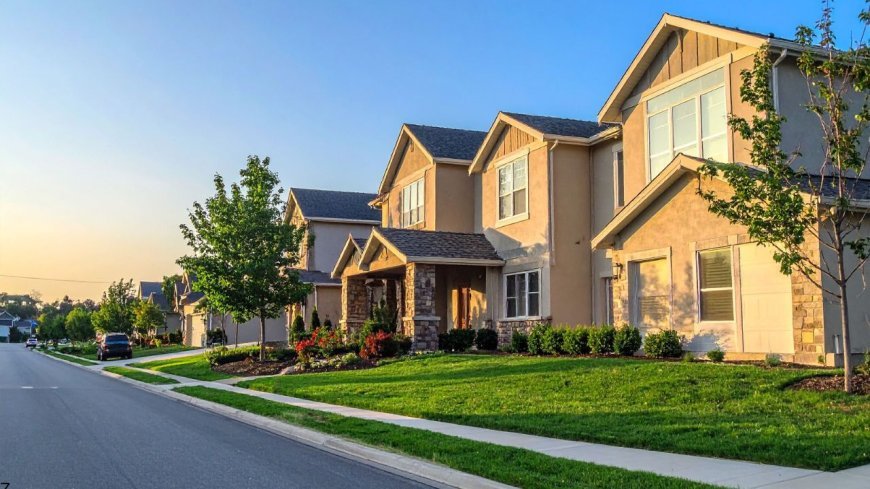
In the shadow of gleaming downtowns and sprawling suburbs, a subtle but profound shift is reshaping America's urban and suburban landscapes. Once-vibrant middle-class neighborhoods—where families could afford modest homes, walk to neighborhood schools, and build lives on steady blue- and white-collar jobs—are fading away. As of 2025, economic pressures, housing market distortions, and demographic changes are hollowing out these communities, pushing middle-income households into either precarious lower tiers or unattainable upper echelons. This isn't just a story of individual families squeezed by rising costs; it's a tale of entire neighborhoods losing their economic and social fabric, leading to increased segregation, declining property values, and fractured community ties. Drawing on recent data and real-world examples, this article examines why middle-class neighborhoods are vanishing and what it means for the future of American prosperity.
The Shrinking Footprint: A National Trend in Neighborhood Demographics
The decline of middle-class neighborhoods is no anomaly—it's a measurable national trend accelerating since the 1970s. According to a 2025 Pew Research Center update, the share of U.S. adults living in middle-income households has dropped from 61% in 1971 to just 50% in 2021, with the trajectory worsening into 2025 amid persistent inflation and wage stagnation. At the neighborhood level, the impact is stark: In 1970, 65% of Americans resided in middle-income areas; by 2010, that figure plummeted to 42%, and preliminary 2020 Census data suggests it's now below 40% in many metro areas.
This erosion manifests in urban and suburban pockets alike. A Russell Sage Foundation study released in early 2025 analyzed 117 major metropolitan areas and found that middle-class neighborhoods—defined as those where at least 50% of households earn between two-thirds and twice the national median income—have shrunk by 15% since 2000. In cities like Chicago and Detroit, once-thriving working-class enclaves have seen middle-income populations flee to the suburbs or exurbs, leaving behind a bipolar landscape of affluent condos and subsidized housing. Non-gentrifying low-income neighborhoods fare even worse, often experiencing a 21% drop in average incomes and an 8% population loss over a decade, as middle-class residents depart without replacement.
The numbers underscore a broader polarization: Affluent neighborhoods now house 15% of families (up from 7% in 1970), while poor ones claim 18% (doubled from 9%). This isn't upward mobility for all—it's a squeeze where the middle is being crushed, with 203 of 229 metro areas seeing middle-class shares decline between 2000 and 2014, per Pew's longitudinal data.
Economic Pressures: The Cost-of-Living Crunch Driving Exodus
At the heart of this neighborhood transformation are unrelenting economic forces that make middle-class life untenable in once-affordable areas. Housing costs have surged 150% since 2000 in many mid-tier neighborhoods, outpacing wage growth, which has stagnated at just 20-30% in real terms for middle-income earners. In 2025, the median home price hit $420,000 nationwide, but in shrinking middle-class enclaves like East Nashville or Chicago's Greater Chatham, it's climbed to $500,000-$600,000, pricing out families earning the national median of $74,580.
Gentrification plays a starring role, but it's the flip side—urban decline in non-revitalizing areas—that often hits middle-class neighborhoods hardest. In places like Buffalo or St. Louis, deindustrialization has wiped out manufacturing jobs, once the backbone of these communities, leading to a 40% population drop in high-poverty areas that didn't gentrify from 1970-2010. Middle-class families, facing property tax hikes to fund crumbling infrastructure without corresponding services, relocate to cheaper exurbs, accelerating the cycle.
Inflation exacerbates this: Essentials like healthcare (up 5.8% in 2025) and education have eroded savings, forcing many to downsize or leave. A MoneyGeek analysis of 367 cities identified the top 20 where the middle class is shrinking fastest—think Hartford, CT (down 12% since 2010) and Rochester, NY—due to these compounded costs. As one Reddit user in r/urbanplanning noted in a 2024 thread echoed into 2025 discussions, "Gentrification upgrades to upper class, urban decline downgrades to lower— but what about stabilizing at middle class? It's rare because policy favors extremes."
Gentrification's Double-Edged Sword: Revitalization or Displacement?
Gentrification, often blamed for middle-class flight, is a complex beast. Defined by sociologist Ruth Glass in 1964 as the influx of wealthier residents displacing working-class ones, it has evolved into a profit-driven reconfiguration in 2025. In neighborhoods like Mexico City's Condesa (site of July 2025 protests over tripling rents due to U.S. expats), or U.S. hotspots like Washington, D.C.'s Shaw, middle-class locals are edged out as developers target high-end buyers.
Yet, data shows nuance. A 2025 NCRC report on 50 years of gentrification found that in 64.8% of 4,070 gentrifying tracts, population decline preceded the influx, suggesting middle-class exodus creates the vacuum. In gentrifying areas, Black populations dropped 10-15% from 1980-2020, while White and Asian shares rose, per the study. However, for those who stay, benefits emerge: Poverty rates fall by 3 percentage points on average, and home values rise, boosting wealth for long-time owners.
The downside? Displacement hits renters hardest—three-fifths to three-quarters move within a decade, per HUD-linked research. In Chicago's Greater Chatham, a historic Black middle-class bastion, deindustrialization and housing collapse led to an exodus of families, spiking crime and poverty without gentrification's "upgrade." X posts from 2025, like one from @travelista214 decrying NYC's "displacement of working people," highlight the sentiment: Middle-class families feel erased, not elevated.
Social and Cultural Fallout: Fractured Communities and Lost Identity
Beyond economics, the loss of middle-class neighborhoods unravels social bonds. These areas were melting pots of diversity—teachers, mechanics, nurses mingling on porches—fostering trust and civic engagement. As they polarize, so does society: A 2025 PubMed study found gentrification reduces lower-class residents' sense of belonging by 20-30%, breeding isolation and mental health strains.
Cultural erasure follows. Long-time eateries, churches, and festivals vanish, replaced by upscale cafes or vacant lots. In New Orleans post-Katrina, redevelopment halved historic residents in some tracts, per NCRC data. X user @T3crawford captured this in September 2025: "Middle-class and poor Caucasians... forced out... due to gentrification," echoing broader grievances across races.
Health impacts compound: While gentrification cuts short-term crime by 5-10%, per a 2020 review updated in 2025, it raises stress from evictions and erodes access to affordable food. Non-gentrifying declines fare worse, with 62% of residents reporting heightened anxiety from overwork and isolation.
Paths Forward: Policies to Reclaim Middle-Class Neighborhoods
Reversing this trend demands bold, multifaceted action. First, inclusive zoning: Cities like Minneapolis, which banned single-family-only zones in 2019, have stabilized middle-income areas by allowing duplexes and townhomes, boosting affordability without full gentrification. Expanding rent stabilization—thousands of NYC units sat vacant in 2025—could retain families.
Tax reforms are key: Project 2025's proposed cuts might ease middle-class burdens but risk widening gaps; instead, advocate for credits targeting $50,000-$150,000 earners. Community land trusts, as in Durham, NC, preserve affordable stock amid revitalization.
Upskilling programs for AI-disrupted jobs could stem flight, while incentives for mixed-income developments ensure newcomers integrate, not displace. As X user @cdseghetti noted in 2025, Democrats risk losing working-class voters by ignoring this—policies must prioritize broad equity.
Conclusion
America's middle-class neighborhoods are vanishing not from neglect alone, but from a toxic brew of economic inequality, unchecked development, and policy inertia. As 2025 data reveals, this erosion threatens the nation's social cohesion and economic vitality, turning diverse communities into echoes of their former selves. Yet, with targeted reforms—from zoning overhauls to wage protections—there's hope to rebuild these anchors of opportunity. The middle class built America; it's time to ensure neighborhoods remain their home, not a relic of a bygone era.
What's Your Reaction?
 Like
0
Like
0
 Dislike
0
Dislike
0
 Love
0
Love
0
 Funny
0
Funny
0
 Angry
0
Angry
0
 Sad
0
Sad
0
 Wow
0
Wow
0