


























A Turning Point? Housing Market Sees Largest Seller-Buyer Gap in Over a Decade

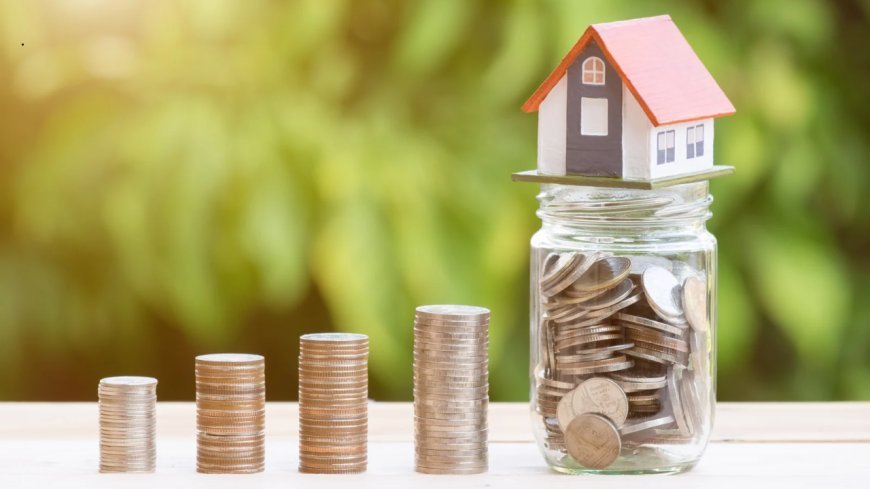
At the heart of the crisis are mortgage rates stuck near 7% and a median home price of $434,189, a combination that has sidelined a generation of potential buyers. While more homeowners are putting properties on the market, the pool of eligible buyers is shrinking, raising questions about the future of homeownership and prosperity in America.
A Crisis of Affordability
For years, the housing market has been defined by scarcity: too few homes chasing too many buyers. But the July data reveals a stark reversal. More homes are available, yet high borrowing costs have eroded affordability to the point that demand simply isn’t there.
A buyer purchasing at today’s median price with a 7% mortgage rate faces monthly payments that can consume over 40% of household income in many metro areas. For younger buyers—Millennials and Gen Z—this is a devastating equation. Many are delaying homeownership, instead choosing to rent or stay in multi-generational households.
Generational Divide: Boomers Selling, Young Adults Waiting
The imbalance also reflects a generational shift. Baby Boomers, many of whom purchased homes decades ago at far lower prices and interest rates, are now cashing out or downsizing. Meanwhile, younger Americans are left watching from the sidelines.
This divide threatens to widen wealth inequality. Homeownership has long been the primary vehicle for building generational wealth in the U.S. If Millennials and Gen Z continue to be shut out, the promise of long-term prosperity could erode, reshaping the American Dream itself.
Could Falling Prices Help?
Ironically, the surge in sellers could eventually provide relief. Analysts suggest that if the imbalance persists, home prices may begin to soften later in 2025, finally opening a path to affordability.
Yet any potential relief comes with risks. A sharp decline in prices could rattle the broader economy, cutting into household wealth and threatening sectors tied to housing, such as construction, home improvement, and lending.
This delicate balance leaves policymakers with little room for error. Social media users and some economists have already called on the Federal Reserve to cut interest rates, arguing that sustained high borrowing costs risk tipping the market into a deeper downturn.
The Ripple Effects on Society
The housing market crisis does not exist in isolation. Its ripple effects touch every corner of American life:
- Rental Market Pressure: As buyers delay purchases, rental demand continues to climb, pushing rents higher in many cities.
- Family Formation Delays: Homeownership is closely tied to marriage and family decisions. Delays in buying homes may contribute to later family formation.
- Regional Disparities: While some metro areas may see prices adjust, others—particularly in the South and Midwest—could remain relatively resilient.
- Generational Tension: Frustration is growing among young adults who see older generations benefiting from past gains while they face rising costs and stagnant wages.
A Defining Moment for Prosperity
The July numbers are more than just a market statistic — they may mark a turning point for American prosperity. If affordability improves, younger generations could finally gain a foothold in the housing market. If not, the divide between owners and renters may harden, creating lasting consequences for wealth distribution and economic mobility.
For now, the U.S. finds itself in unfamiliar territory: a market with more sellers than buyers, where the dream of homeownership hangs in the balance. Whether this becomes a fleeting correction or a long-term transformation will shape not just the housing market, but the very fabric of American life.
What's Your Reaction?
 Like
0
Like
0
 Dislike
0
Dislike
0
 Love
0
Love
0
 Funny
0
Funny
0
 Angry
0
Angry
0
 Sad
0
Sad
0
 Wow
0
Wow
0